Understanding the Core Components of a Rifle Cartridge
Your Complete Guide to Rifle Ammo Types, Calibers, and Best Picks
A hunter lines up a shot on a distant buck, and the rifle ammo in the chamber is what turns that squeeze of the trigger into a clean, ethical kill. Each round combines a cartridge case, primer, powder, and bullet, and when the firing pin strikes, the primer ignites the powder to send the projectile Rimfire Ammo for Sale down the barrel at incredible speed. That speed and energy give rifle ammo its long-range punch, letting you hit targets accurately at distances a pistol could never reach. To get the most out of it, just match the bullet weight and type to your game or target, and keep your rounds stored dry and cool for consistent performance.
Understanding the Core Components of a Rifle Cartridge
Understanding the core components of a rifle cartridge is essential for selecting the right rifle ammo. The cartridge case holds everything together, and its shape directly influences feeding and extraction in your action. The primer, seated in the case head, is the ignition source; a strike from the firing pin crushes it to produce the spark that burns the powder. The propellant charge determines pressure and velocity, so choosing a powder type matched to your barrel length and bullet weight is critical for accuracy. Finally, the bullet itself—its weight, profile, and construction—dictates terminal performance and trajectory. Case headspace is the single most critical dimension to verify, as improper headspace causes dangerous pressure spikes or misfires. Mastering these four Handgun Ammo for Sale parts lets you diagnose malfunctions and handload with confidence.
What Exactly Is Inside a Round of Centerfire Ammunition?
A round of centerfire rifle ammunition consists of four primary components assembled into a single unit. The metallic cartridge case holds everything together, with a primer seated in a recessed pocket at its base. Inside the case, a measured propellant charge—typically smokeless powder—fills the volume beneath the projectile. The bullet, usually a lead core wrapped in a copper alloy jacket, is pressed securely into the case mouth. When the firing pin strikes the primer, it ignites the powder, generating gas that propels the bullet down the barrel. The primer itself contains a small, shock-sensitive chemical compound, distinct from the main propellant.
Q: What exactly is inside a round of centerfire ammunition?
A: A centerfire round contains a primer, a propellant powder charge, a bullet, and the metallic cartridge case that houses all three components.
How Bullet Weight and Grain Affect Your Rifle’s Performance
Bullet weight, measured in grains, directly dictates your rifle’s trajectory and terminal effect. Heavier grain bullets resist wind drift better and retain energy downrange, making them ideal for longer shots on larger game, but they produce more recoil and a slower, looping arc. Lighter grain bullets shoot flatter at close range, offer faster velocity, and reduce felt recoil for quicker follow-up shots. However, they shed energy rapidly and get pushed around by wind, limiting their effective distance. Choosing the correct grain is a balance between ballistic coefficient and practical hunting accuracy; match your bullet to your typical shooting distance and target size. For example, a 140-grain bullet in a .270 outshines a 130-grain at 400 yards, while the 130-grain feels snappier at 100.
Decoding the Differences Between Full Metal Jacket and Soft Point Projectiles
The core distinction between full metal jacket (FMJ) and soft point (SP) projectiles lies in their terminal behavior upon impact. An FMJ round features a lead core completely encased in a harder copper alloy, leaving the base exposed; this design ensures the bullet retains its shape, promotes deep penetration, and minimizes barrel fouling, making it ideal for target practice and training. Conversely, a soft point leaves the lead tip exposed, which initiates immediate, controlled expansion upon entering soft tissue, creating a larger wound channel and transferring energy more rapidly. This makes SP rounds the preferred choice for hunting medium to large game, as they deliver a more ethical, effective stop.
- FMJ rounds are less likely to deform, offering reliable feeding in semi-automatic firearms.
- Soft points risk over-expansion at high velocities, potentially limiting penetration on thick-skinned animals.
- For defensive use, barrier penetration is a key factor where FMJ often outperforms SP through drywall or glass.
Matching the Right Caliber to Your Specific Shooting Needs
Selecting the right caliber starts with defining your maximum ethical range and target type. For varmint control under 300 yards, a flat-shooting .223 Remington offers minimal recoil and explosive terminal effect on small pests. Conversely, large-bodied game like elk demands a heavier, energy-dense round such as .30-06 Springfield or 7mm Rem Mag, delivering sufficient penetration through thick muscle and bone. Also consider your shooting platform’s action length and magazine constraints; a short-action .308 Win is more maneuverable in dense cover than a long-action magnum. Finally, match your recoil tolerance with your practice frequency—a punishing cartridge you flinch from defeats accuracy. By prioritizing ballistic performance against your quarry’s size and typical engagement distance, you ensure every shot is both humane and effective. This process of matching the right caliber to your specific shooting needs directly influences shot placement consistency.
How to Choose Between .223 Remington and .308 Winchester for Your First AR or Bolt Gun
Start by defining your primary purpose, as this dictates the better cartridge for your first rifle. If you prioritize affordable, low-recoil practice and varmint hunting at distances under 400 yards, choosing between .223 Remington and .308 Winchester becomes easy: pick the .223 for its lighter ammunition and flatter trajectory on smaller game. However, if you need a do-it-all round for larger deer, elk, or steel targets stretching past 600 yards, the .308’s heavier bullets retain energy and buck wind far more effectively. For an AR platform, the .223 allows faster follow-up shots and cheaper magazine capacity, while a bolt gun in .308 maximizes terminal performance without sacrificing reliability. Ignore hype; match the caliber to your realistic shot distances and quarry.
What Does Bullet Velocity and Muzzle Energy Mean for Hunting vs. Target Practice?
Bullet velocity and muzzle energy dictate terminal performance, not just raw power. For hunting, high velocity ensures rapid bullet expansion and deep penetration on game, while sufficient muzzle energy delivers the knockdown force needed for a clean, ethical kill—prioritize energy-on-target at your likely range. For target practice, velocity matters mainly for predictable trajectory and wind drift, while extreme muzzle energy is wasteful, accelerating barrel wear and recoil fatigue. The sequence for choosing: first, determine your maximum ethical hunting distance; second, calculate the muzzle energy your chosen cartridge delivers at that range; third, select a bullet weight that maintains that energy while keeping velocity stable for accuracy.
- Match cartridge velocity to your target’s vital zone size and shot distance.
- Ensure muzzle energy meets the recognized minimum for the game species.
- For range work, favor flatter-shooting loads with moderate recoil over maximum power.
When to Pick a Lightweight Varmint Load Versus a Heavy Big-Game Round
Choosing between a lightweight varmint load and a heavy big-game round hinges on target tissue density and impact velocity. Select ammunition by matching bullet construction to the animal’s mass; varmint loads (e.g., 40-grain .223) rely on rapid fragmentation, so reserve them for prairie dogs or coyotes where shallow wound channels are acceptable. Heavy big-game rounds (e.g., 180-grain .30-06) must penetrate bone and muscle, specialty sports so they only make sense for deer, elk, or bear. The sequence is clear:
- Identify the largest expected game—varmints under 15 kg, big game over 45 kg.
- Estimate shooting distance: under 250 meters favors light, flat-shooting varmint loads; beyond 300 meters, heavy rounds retain energy better.
- Assess risk Shotgun Ammo for Sale of ricochet—light varmint rounds on hard ground are hazardous, so switch to heavy, controlled-expansion solids in rocky terrain.
Never swap a varmint load into a big-game hunt, as bullet blow-up on the hide will under-penetrate—always verify the round’s intended terminal role before chambering.
Practical Tips for Buying, Storing, and Handling Your Supply
When buying rifle ammo, stick to reputable brands and check the lot number on the box so you can avoid mixing inconsistent batches at the range. For storage, keep your supply in a cool, dry place—preferably in sealed ammo cans with desiccant packs—since humidity is the fastest way to ruin primers and powder. Handle rounds by the case, not the bullet tip, to avoid denting brass; a damaged shoulder can cause chambering issues. Rotate your stock by using the oldest boxes first, and never store loose rounds loose in a pouch, where they rattle and get dinged up. Finally, when loading magazines, press the rounds straight back—don’t tilt them—to prevent feed lip damage. Ammo is inert until you mess with it, so treat every cartridge gently. Buy in bulk only if you can store it properly, otherwise you’re 7mm-08 Ammo for Sale just inviting corrosion.
How to Read Box Labeling for Pressure, Primer Type, and Optimal Usage

The cartridge box is your first line of defense against a dangerous mismatch. Read the headstamp or label for a pressure designation like SAAMI-spec pressure limits, which indicate standard or +P loads—never use +P in older or unbelted chambers. For primer type, look for “large rifle” versus “magnum rifle”; magnum primers are essential for ball powders or over 60 grains of capacity. Finally, optimal usage is often printed as a grain weight and bullet profile, like “168gr BTHP match”—this tells you the intended twist-rate stability and target distance. Check the lot number for consistent velocity and zeroing.
Best Practices for Storing Loose Rounds and Boxed Cartridges to Prevent Corrosion
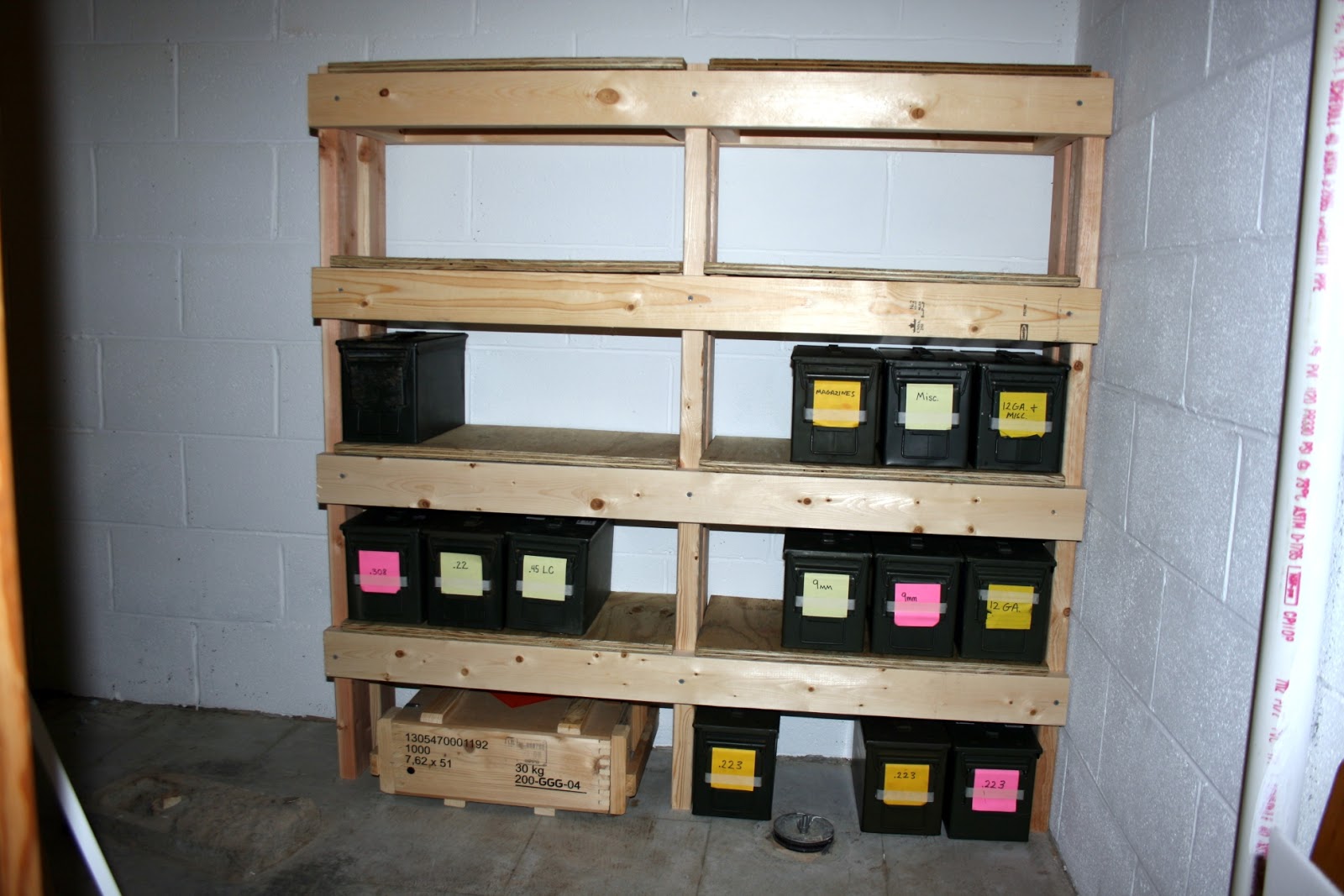
For loose rifle rounds, prioritize desiccant control by storing them in sealed, airtight ammo cans with silica gel packs, replacing desiccants every few months to prevent moisture-driven corrosion. Boxed cartridges should remain in their original factory trays inside a robust container, as cardboard retains ambient humidity; add a vapor-phase corrosion inhibitor (VCI) emitter to neutralize oxidative attack on brass and primers. Always avoid direct floor contact—elevate containers on wooden pallets or shelving to mitigate temperature swings that cause condensation. Rotate your stock annually, inspecting rounds for green verdigris or white powdery residue, and wipe down only with a dry microfiber cloth; never apply oils to cartridges, as they seep into primers. For long-term storage, vacuum-seal loose rounds in mylar bags with oxygen absorbers, then place inside a hard case.
Why Bullet Seating Depth and Case Length Matter for Reliable Feeding
When setting up rifle ammo for smooth operation, bullet seating depth and case length directly govern reliable feeding. If your cartridge is too long overall, the ogive jams into the rifling before the bolt fully closes, causing hard chambering and potential mis-feeds from the magazine. Too short, and the bullet loses neck tension, letting it shift backward during recoil and altering feed geometry. Case length matters because trimmed cases keep the neck inside the chamber’s neck area—overlong cases crimp into the throat, resisting extraction, while short cases create a step that catches on the feed ramp. Always measure both with a comparator and trimmer. For best results: 1) set seating depth 0.020” off the lands for your rifle, 2) trim all cases to the same maximum length, 3) test a dummy round by hand-cycling it from the magazine.
Getting the Most Accuracy and Consistency From Your Firearm
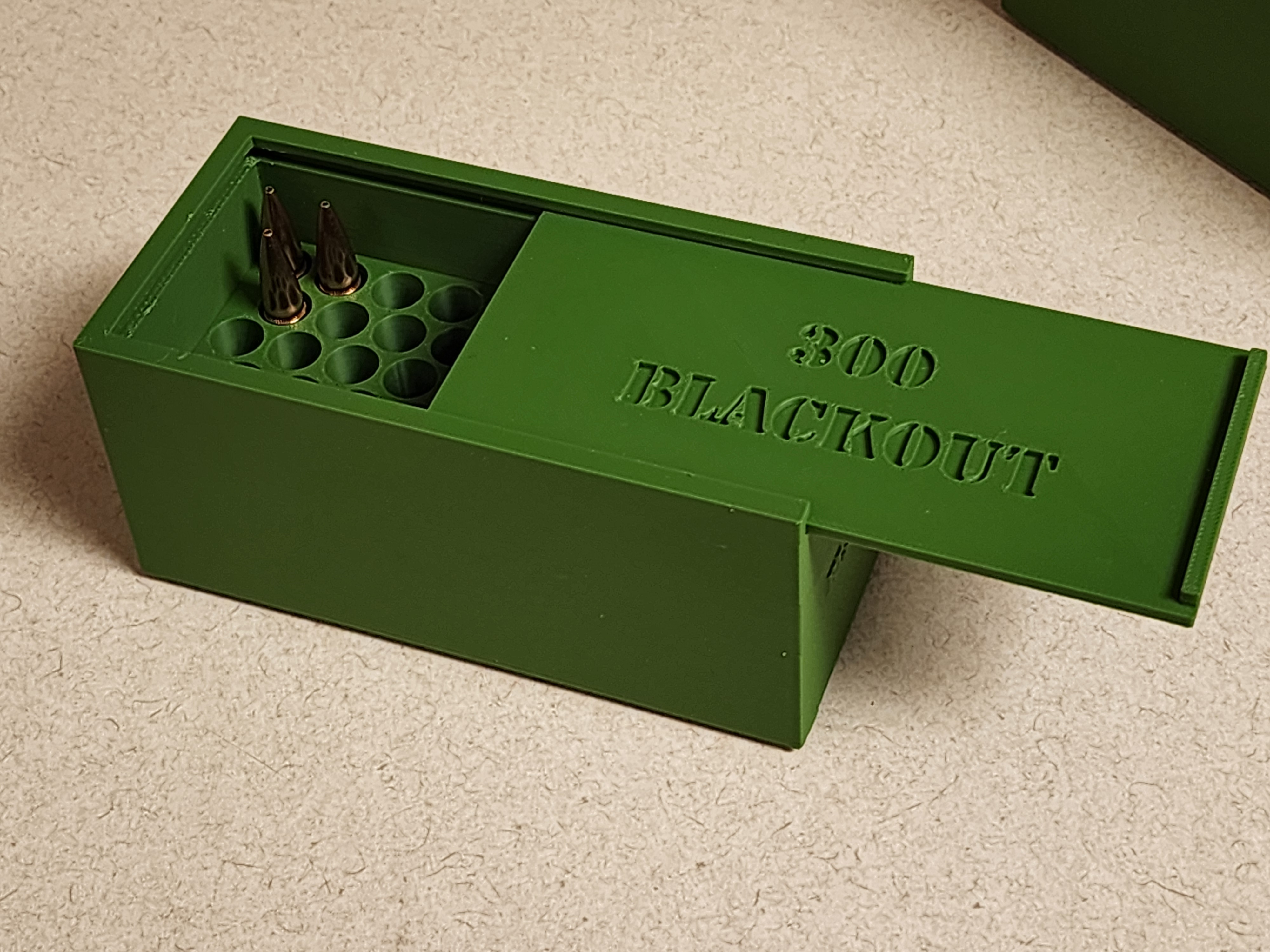
Achieving maximum accuracy from your rifle begins with matching ammunition to your barrel’s specific twist rate and throat dimensions. Test multiple lots of the same bullet weight to identify which one your firearm groups tightly, as barrel harmonics cause different loads to vibrate differently. For consistency, maintain a single lot number of rifle ammo, since powder batches and bullet seating depths vary between production runs. Clean your bore regularly but avoid over-cleaning, which can alter the carbon fouling equilibrium that stabilizes velocity. Also, always use a torque wrench on action screws to keep pressure uniform, as this directly impacts how the rifle absorbs recoil. Finally, record temperature and elevation during grouping sessions—ballistic consistency degrades in extreme cold or heat, so your optimal rifle ammunition choice should account for your common shooting conditions.
How to Test Different Bullet Types to Find Your Rifle’s Favorite Load
To pinpoint your rifle’s favorite load, start by gathering one box each of several bullet types—boat-tail, flat-base, bonded, and monolithic—all in the same grain 6.5 Creedmoor Ammo for Sale weight. Fire three-shot groups at 100 yards, allowing the barrel to cool fully between groups to avoid heat-induced fliers. Record group sizes and point-of-impact shifts on a target log, then repeat each load a second day to confirm consistency, not luck. Matching bullet type to your rifle’s twist rate and barrel harmonics often shrinks groups dramatically, so rank your top three candidates by average spread. Finally, test velocity uniformity with a chronograph, since consistent speeds signal reliable chamber pressure. Ladder testing powder charges across each bullet then reveals the sweet spot, but only after you’ve narrowed the bullet style itself.
Understanding How Barrel Twist Rate Interacts With Heavier or Lighter Bullets
Barrel twist rate is the unsung hero of rifle accuracy—it dictates how fast your bullet spins to stabilize in flight. Heavier bullets are longer, so they demand a faster twist (like 1:7 or 1:8) to get enough spin. Lighter bullets are shorter and often over-stabilize with a fast twist, which can actually hurt precision by causing aerodynamic wobble. The trick is matching your ammo’s weight to your barrel’s twist. Check your rifle’s spec or test a few loads. For a practical approach: start with a bullet weight your twist rate recommends, then tweak from there.
- Identify your twist rate (e.g., 1:10).
- Choose bullet weights that fall in the common range for that rate.
- Fire groups at 100 yards to see which weight prints tightest.
That’s how you unlock consistent flyers-free accuracy.

Simple Steps to Reduce Recoil and Improve Follow-Up Shots With Proper Ammo Selection
Selecting the right ammunition is the most direct lever for taming recoil and speeding up follow-up shots. Start by choosing a lighter bullet weight, such as a 55-grain load in .223 Remington, which generates less felt kick than heavier 77-grain options. Pair this with a reduced-velocity or “low-recoil” factory load, which lowers muzzle energy without sacrificing feeding reliability. A flatter trajectory from a lighter load also minimizes sight-picture disruption, letting you spot your own misses faster. For magnum calibers, switch to Rifle Ammo for Sale a managed-recoil load that cuts propellant charge, keeping the rifle on target. Finally, test multiple brands to find one with consistent velocity; erratic pressures cause unpredictable muzzle rise. These steps yield tighter follow-up shot groupings while preserving terminal performance for your intended range.
Common Questions About Ammo Performance You Might Be Afraid to Ask
Many shooters hesitate to ask if barrel length truly dictates velocity, but the answer is yes: shorter barrels bleed speed, often 20–50 fps per inch, altering your bullet’s trajectory and energy. Another silent worry is whether a heavier bullet always hits harder downrange—it does not, because ballistic coefficient and muzzle velocity matter more than raw grain weight. Q: Why does my zero shift between different brands of the same grain? A: Because each manufacturer’s powder charge, case volume, and bullet seating depth change pressure curves and muzzle velocity, so your rifle’s point of impact moves even if the box says identical specs. You also might fear that a “match” round guarantees accuracy—it only guarantees consistency, which helps only if your rifle and twist rate favor that particular projectile. Finally, temperature stability is a legit concern: hot or cold ammo can shift velocity by hundreds of fps, but you rarely need to worry unless you’re shooting long range in extreme conditions.
Is It Better to Buy Bulk Surplus Rounds or Premium Match-Grade Cartridges?
For most rifle Ammunition for Sale shooters, the answer hinges entirely on your goal, not your wallet. Bulk surplus rounds deliver reliable, affordable trigger time, making them ideal for high-volume practice and zeroing where sub-MOA precision isn’t critical. However, if you’re chasing tight groups at 300 yards or competing, premium match-grade cartridges justify their cost through consistent powder charges, uniform brass, and precision bullets. The practical compromise is a two-tier approach:
- Burn surplus ammo for recoil management, positional drills, and barrel break-in.
- Switch to match-grade for accuracy validation, load development, and match day.
Your rifle’s accuracy ceiling only matters if your ammo reaches it—so match surplus to practice, premium to perform.
Why Does Your Rifle Group Shrink When You Switch From Brass to Steel Casing?
Switching from brass to steel casing often shrinks your rifle group because steel is less ductile, reducing case expansion and bolt thrust 6.5 PRC Ammo for Sale during ignition. This lower obturation creates more consistent bullet release and improved shot-to-shot uniformity. The sequence unfolds as: first, the steel case resists conforming to the chamber, minimizing pressure spikes; second, the reduced case wall friction at the neck gives a more predictable pull on the bullet; third, milder bolt setback keeps the action locked more rigidly, cutting down vibration-induced muzzle shift. The result is tighter clusters, though you may trade longer case life for this enhanced mechanical consistency.
What Signs Indicate Your Gun Is Safe to Fire With a Particular Load?
Before firing any rifle load, verify that the cartridge’s overall length, bullet diameter, and pressure rating match your firearm’s chamber and barrel specifications. Safe rifle load verification hinges on three observable checks: a loaded round should chamber without forcing, the bolt or action should close with normal resistance, and the extracted case should show no signs of flattened primers, cratered firing pin strikes, or sticky extraction. Additionally, confirm the load’s published velocity stays within your barrel length’s expected range, as excessive speed often signals overpressure. Proceed only if all of these indicators are consistent and repeatable across multiple rounds.
- Check that the bullet seats cleanly into the throat without resistance.
- Inspect spent primers for flattening or flow 7mm WSM Ammo for Sale into the firing pin hole.
- Measure case head expansion with calipers against a factory new round.