Kullanıcıların hızlı erişim için en çok tercih ettiği yol bettilt sayfasıdır.
Türk bahis severlerin büyük bölümü haftada birkaç kez kupon hazırlamaktadır, bettilt giriş düzenli kampanyalar sunar.
Her bahisçi için kritik unsur olan bettilt altyapısı güvence sağlıyor.
Understanding Secondary Sanctions Implications and Strategies 946979578
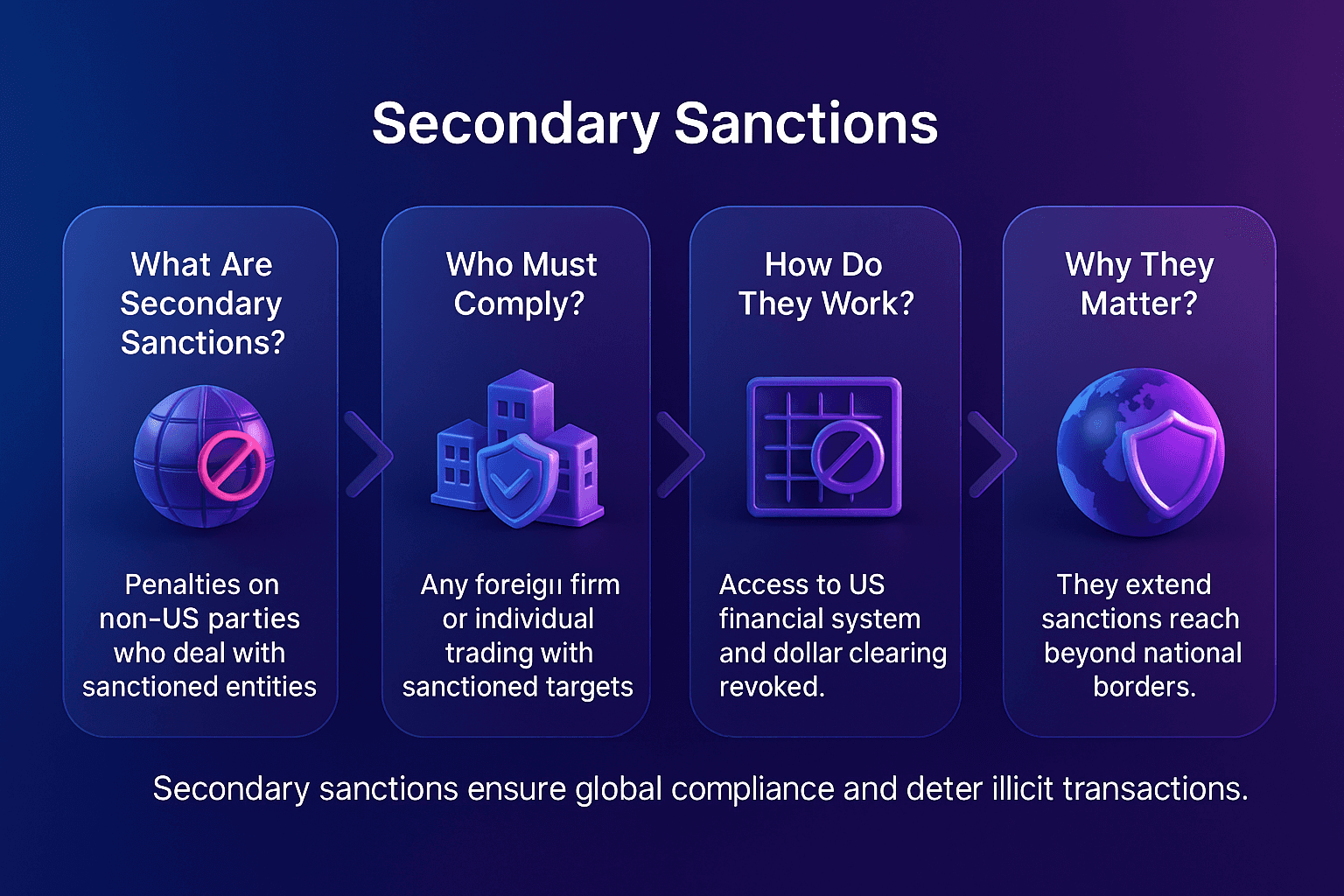
Understanding Secondary Sanctions: Implications and Strategies
In the realm of international relations, sanctions have become a powerful tool for countries seeking to influence the behavior of nations and entities. Among the various types of sanctions, secondary sanctions stand out due to their far-reaching implications. Secondary sanctions can impact not only the targeted countries but also foreign entities that engage with them. Understanding how these sanctions work and their implications is crucial for businesses operating in the global marketplace. For legal guidance on navigating these complex regulations, consider consulting Secondary Sanctions Sanctions Lawyers.
What Are Secondary Sanctions?
Secondary sanctions are restrictions imposed by a country on entities from third-party countries that conduct transactions with a target country or entity. Unlike primary sanctions, which directly target the sanctioned nation or its individuals, secondary sanctions aim to deter foreign companies from trading with the sanctioned entity, thereby amplifying the effects of the sanctions regime.
The Origins of Secondary Sanctions
The concept of secondary sanctions is not new; however, their application has escalated in recent years. The United States has led this approach, particularly in response to nations such as Iran and North Korea. The rationale behind secondary sanctions is to exert pressure on countries disregarding primary sanctions and to encourage compliance among international businesses.
How Secondary Sanctions Work
Secondary sanctions typically operate by prohibiting foreign companies and individuals from engaging in specific activities with a sanctioned state or entity. This can include measures such as blocking access to the U.S. financial system, which is essential for international trade, or imposing penalties on non-compliant firms.
For instance, if a U.S. company is prohibited from trading with a sanctioned entity, secondary sanctions may also target foreign entities that engage with the same sanctioned entity, creating a ripple effect across global markets.
Impacts of Secondary Sanctions
The impacts of secondary sanctions are multifaceted. On one hand, they can effectively isolate the targeted country, but they also create uncertainty for businesses operating on a global scale. Companies must navigate a complex landscape where compliance with the rules of one nation can lead to repercussions from another.
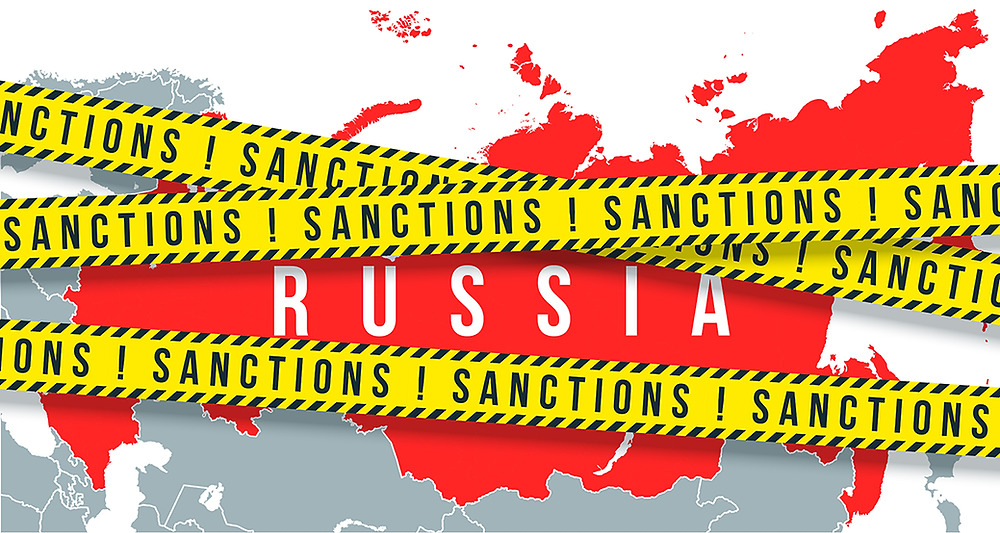
Furthermore, secondary sanctions can potentially disrupt global supply chains, leading to increased costs and delays in the movement of goods and services. Businesses contemplating any dealings involving sanctioned entities need to conduct thorough due diligence and frequently reassess their compliance frameworks.
The Role of Compliance Programs
In light of the risks associated with secondary sanctions, compliance programs have become indispensable for multinational organizations. Effective compliance programs include robust procedures to monitor transactions, conduct risk assessments, and provide ongoing training to staff about the intricacies of sanctions laws.
Organizations must stay informed about changes in sanctions regulations and adjust their policies accordingly. This involves constant communication with legal experts who specialize in sanctions law, as well as regular audits of their operations to identify and mitigate risks related to secondary sanctions.
Case Studies
Examining case studies can provide valuable insights into the real-world implications of secondary sanctions. For instance, consider the case of European companies that continued to engage in business with Iran following the re-imposition of U.S. sanctions. Many faced significant challenges, including the loss of access to the U.S. financial system and potential legal repercussions.
Another notable case is that of North Korea, where secondary sanctions have effectively limited the economic options available to not only the North Korean government but also foreign firms engaging with it. As a result, com

panies in various sectors have reevaluated their involvement in regions impacted by such sanctions.
Strategies to Navigate Secondary Sanctions
Businesses confronted with the threat of secondary sanctions can adopt several strategies to safeguard their operations:
- Enhanced Due Diligence: Conduct thorough checks on partners, clients, and suppliers to ensure they are not linked to sanctioned entities.
- Engage with Legal Experts: Work with sanctions lawyers who can provide tailored advice based on the specific regulatory landscape your business operates within.
- Develop a Compliant Framework: Establish internal guidelines and compliance frameworks that are regularly updated to reflect changes in sanctions policies.
- Training Programs: Implement ongoing training for employees to ensure awareness and understanding of sanctions regulations and compliance requirements.
- Monitor Regulatory Changes: Stay informed about changes in sanctions laws and adjust business practices accordingly.
The Future of Secondary Sanctions
As the global political landscape continues to evolve, secondary sanctions are likely to remain a key tool for states seeking to exert influence. The expansion of such measures may lead to increased pressure on international firms, creating a more complex environment for global trade.
Organizations must remain nimble and proactive in their approach to compliance, recognizing that secondary sanctions can have immediate and severe implications. As geopolitical tensions rise, the importance of understanding and navigating these sanctions will become even more pronounced.
Conclusion
In conclusion, secondary sanctions represent a significant challenge for businesses engaged in international operations. The complexity of compliance, coupled with the potential for severe financial repercussions, necessitates a proactive approach to legal and regulatory adherence. By developing robust compliance programs and engaging with experienced legal advisors, businesses can better position themselves to navigate the intricacies of secondary sanctions and mitigate associated risks.